
Blick arkitektur
“For us, reuse is about more than giving materials a new life. It is about extending time and questioning why certain materials and buildings are perceived as spent before their actual lives are over. We are interested in the temporality of materials: traces of earlier use, patina, wear and change, and how these qualities can be part of architecture rather than something to be taken away. Reuse is also a question of aesthetic displacement: reconsidering what we today regard as outdated, anonymous or ugly. For us, a changed attitude toward the existing is just as important, as the physical transformation of the material.”
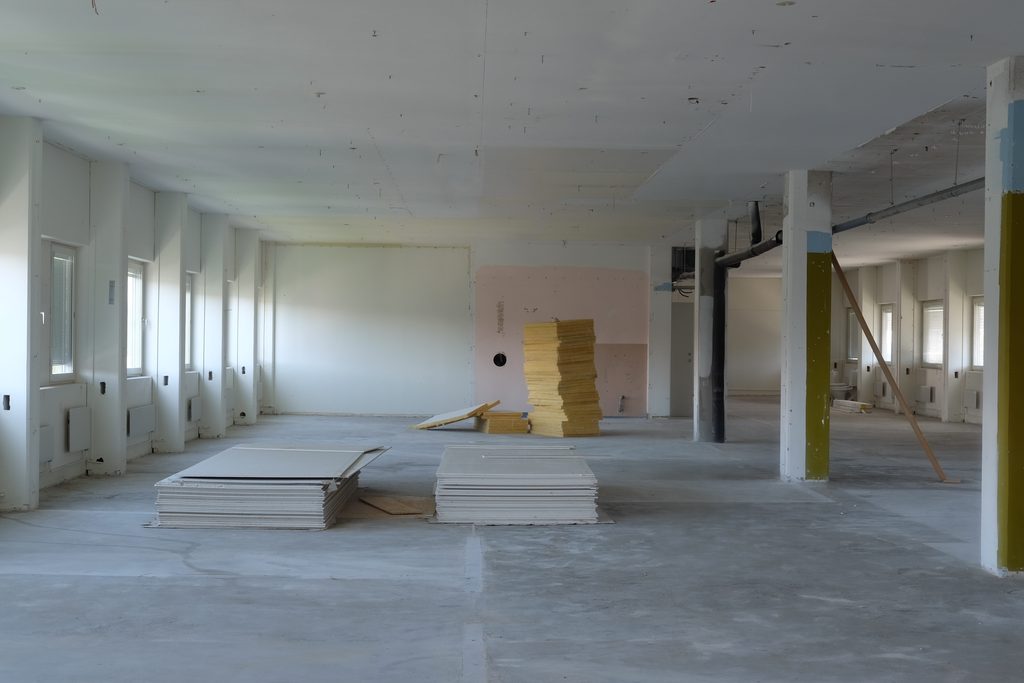
The project is run by Malmö-based Blick Arkitektur, led by Daniel Lindberg, in collaboration with Emma Lindberg. For several years they have developed ideas and projects under the theme “Reusing the Ugly,” exploring buildings that are not old enough to have cultural-historical value, but not new enough to be considered worth renovating or transforming.
The buildings Blick highlights never had the ambition of becoming architectural masterpieces. They are the city’s everyday buildings: rational, repetitive, functional and easy to take for granted. But without them the whole falls apart, and in a time of climate crisis there is no room to throw away what has already been made.
These are often office and industrial buildings from the 1960s to the 1980s. They rarely evoke nostalgia and have not been elevated to reference works of architecture. They are perceived as repetitive, sometimes as “boring” or “ugly.” At the same time, they are fully functional and materially robust, and they carry energy, labor and resources that have already been invested. The duo explores how to minimize resource use and maximize value from what already exists, in order to create architecture that is allowed to live and change over time.
Within the framework of Time Horizons, they want to examine how aesthetic values shift over time, and how this movement affects which buildings are allowed to live on. What happens in the gap between the contemporary and cultural heritage? Architecture’s trend cycles seem to be accelerating. Buildings can be perceived as obsolete long before their technical lifespan is exhausted. The result is building waste, where perfectly usable structures are replaced in the pursuit of the contemporary expression. It is in this in-between space, where aesthetic preferences, economic calculations and planning decisions converge, that demolition becomes the norm.