
Vincent Dumay
“Working with natural, minimally processed materials such as earth means accepting tighter constraints. It involves observing, testing, and getting to know the material. The form of the project emerges from this understanding of what the material can do. Designing architecture within planetary boundaries calls for close attention to place, to the resources available, and to the skills needed to work with them. The extraordinary level of material comfort our societies have achieved depends today on an immense consumption of materials and energy, with brutal consequences for the living world and for the people who bear the greatest impact. Freeing ourselves from this dependence can, I believe, open up a period of extraordinary creativity for those who design and build.”
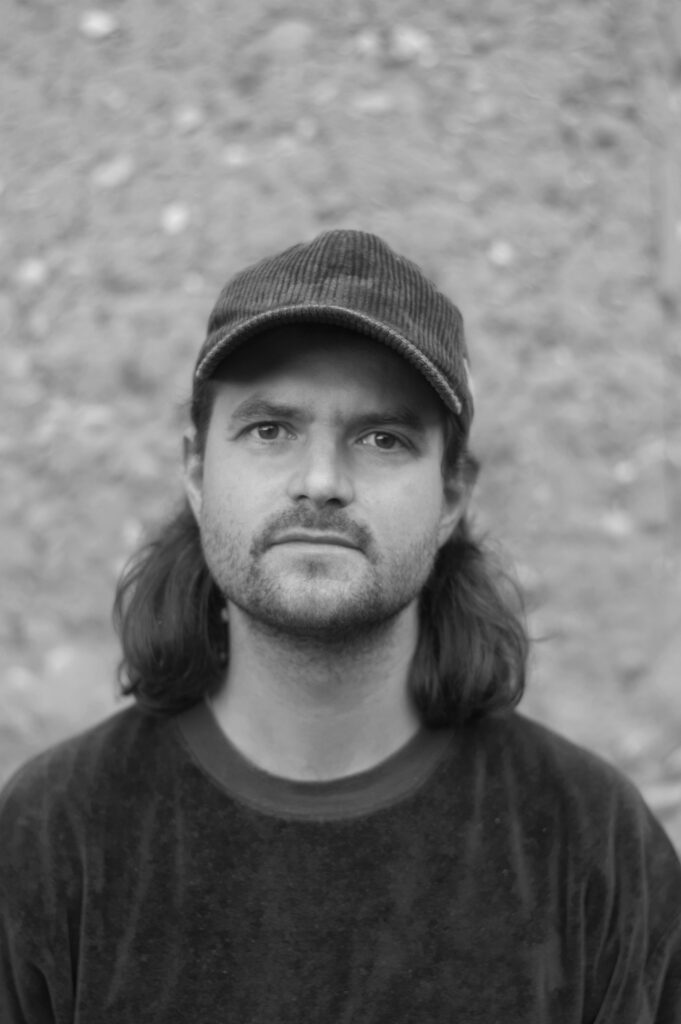
Vincent Dumay is an architect exploring alternatives to conventional building practices, with a focus on natural, locally sourced and minimally processed materials, particularly unfired earth. Through temporary architectural interventions, he seeks to highlight the structural and aesthetic qualities of these materials and spark renewed interest in their use in contemporary architecture. His work also raises questions about our dependence on heavily processed, energy-intensive industrial building materials. His projects have been presented in France, Italy, Canada, Estonia, Norway and Sweden.
His practice is grounded in direct engagement with materials, hands-on experimentation, training and exchange with professionals working in earthen construction. For several years, he has been building connections between Sweden and other European countries where the revival of earthen construction is further advanced, encouraging the exchange of knowledge and contributing to the development of a Swedish earthen building sector. Teaching, workshops and exhibitions are
integral to this ongoing process of experimentation and knowledge-sharing.
Within Time Horizons, his work addresses the gap between environmental urgency and the slow pace of change in building practices. By revisiting traditional techniques in light of contemporary knowledge and expectations, he seeks to show how building with earth can help shape a more desirable future for contemporary architecture.